Action Against Adiction & Crime
Launched in 2007, Sano Paila's flagship program, Action Against Addiction & Crime (AAC), is a community-based initiative serving youth and others affected by substance abuse and criminal behavior in Madhesh Province, including cross-border districts where these issues are particularly severe.
Launched in 2007, Sano Paila's flagship program, the Action Against Addiction & Crime (AAC) ®, stands as a vital community-based initiative serving youth and others grappling with the intertwined challenges of substance abuse, criminal behavior, and mental health concerns. Operating prominently in Madhesh province, including critical cross-border districts where these issues often manifest with heightened severity, the AAC program offers a comprehensive spectrum of support.
Building on this foundation, Sano Paila, through the AAC program, delivers holistic services designed to cultivate lasting recovery and positive change. These encompass evidence-based treatment and rehabilitation, widespread awareness campaigns, professional counseling, and ongoing support networks. A core focus of the AAC program is the proactive promotion of crime prevention behaviors among at-risk youth and individuals actively seeking help, aiming to break cycles of addiction and involvement in criminal activity.
History
In December 2007, Sano Paila launched this initiative as a pioneering project, employing unconventional measures. At a time when drug treatment and recovery were heavily stigmatized in Nepal, this project aimed to demystify the recovery process for the community. As part of the campaign, a temporary tent residence, equipped with essential accommodation, food, medical, and security facilities, was erected on Birgunj's main road. Sadhu Ram Khadgi, a heroin user for 26 years, volunteered to reside in the tent for 60 days to undergo recovery. His primary motivation was to demonstrate that if he, a long-term heroin user, could overcome addiction and lead a drug-free life, others could too. This also aimed to illustrate the challenges of withdrawal and recovery to the community. Upon Sadhu's recovery, Sano Paila established its first community rehabilitation center, an initial 5-bed treatment facility, that later expanded to 11-beds, under his leadership. Sadhu worked with Sano Paila until 2014 and now leads a successful life with his own business.
In November, 2011, Dr. Donald Gragg, a California-based specialist in addiction medicine, visited Sano Paila in Birgunj. He conducted workshops with the Sano Paila team to provide training and empower them to develop a locally relevant program incorporating evidence-based principles and guidelines of addiction medicine. This interaction and training enabled the team at that time to expand the existing 11-bed facility into a 33-bed center, one of the largest in the region at the time. In hindsight, the mentorship of Dr. Gragg allowed the birth of the Action against Addiction and Crime program. Since then, Dr. Donald Gragg has been a foundational supporter, donor and a pillar of the program.
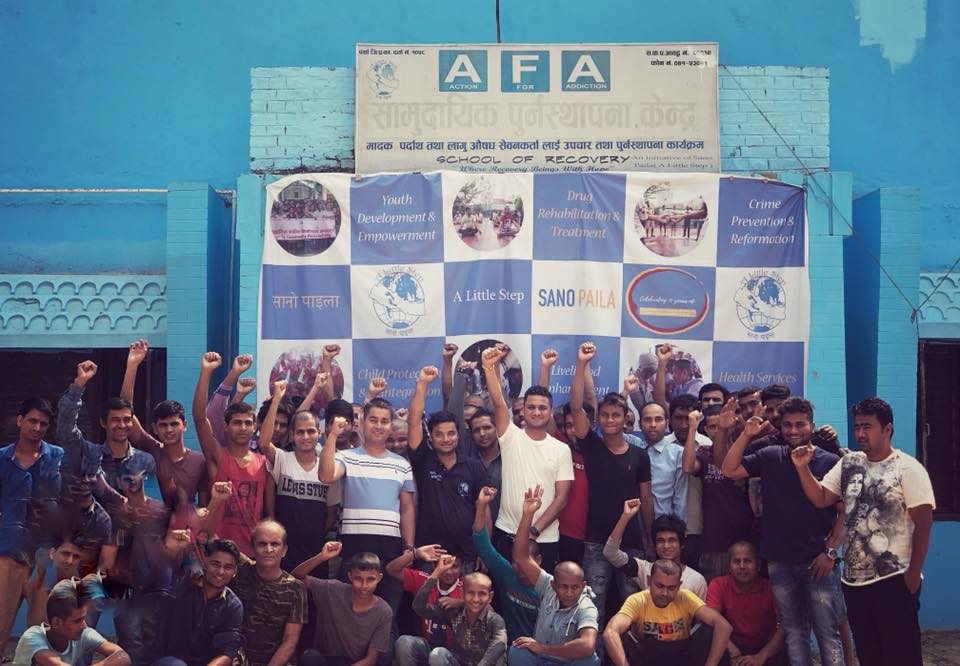
Today, Sano Paila through the Action Against Addiction and Crime (AAC) program, offers comprehensive services, including treatment, rehabilitation, awareness, counseling, and support, with a focus on promoting crime prevention behaviors among at-risk youth and individuals seeking help. Furthermore, recovered individuals serve as role models and peer educators in their communities, delivering peer-led education and behavior change communication to at-risk youth.
Sano Paila offers the following specific services through the AAC program:
- AAC operates the School of Recovery and Restoration (SRR) in Birgunj, a 51-bed residential treatment and rehabilitation center.
- Recently, under the AAC banner, Sano Paila launched Sunuwai: Counseling and Psychosocial Support Center providing youth-focused mental health support, one-on-one counseling, behavior change communication and community-based outreach services for adolescents and young adults.
- Empowering Communities Through Prevention: Recognizing that preventing drug abuse and crime among youth requires a comprehensive, community-wide preventive approach, a significant component of the program focuses on engaging youth, parents and other key influencers to promote healthy behaviors and create supportive environments that safeguard young people.
IMPACT:
The Action Against Addiction & Crime (AAC) program has demonstrably provided a crucial pathway to recovery and reintegration, successfully supporting youth and others grappling with the intertwined challenges of substance abuse, criminal behavior, and mental health concerns. Through AAC, over 3,500 individuals affected by substance abuse and criminal behavior have been rehabilitated, and have also received vital counseling and support. Beyond individual transformation, the AAC program has actively engaged communities through approximately 400 targeted awareness programs and numerous impactful mass campaigns. These outreach efforts have directly reached over half a million at-risk youth, establishing a foundational aspect in the ongoing endeavor to build drug and crime-free communities across the region. Furthermore, the program has invested in community capacity building by training over 1,200 dedicated peer-led volunteers, empowering them to become agents of change within their own networks.
1. School of Recovery & Restoration ®: a community-based substance abuse treatment and rehabilitation center
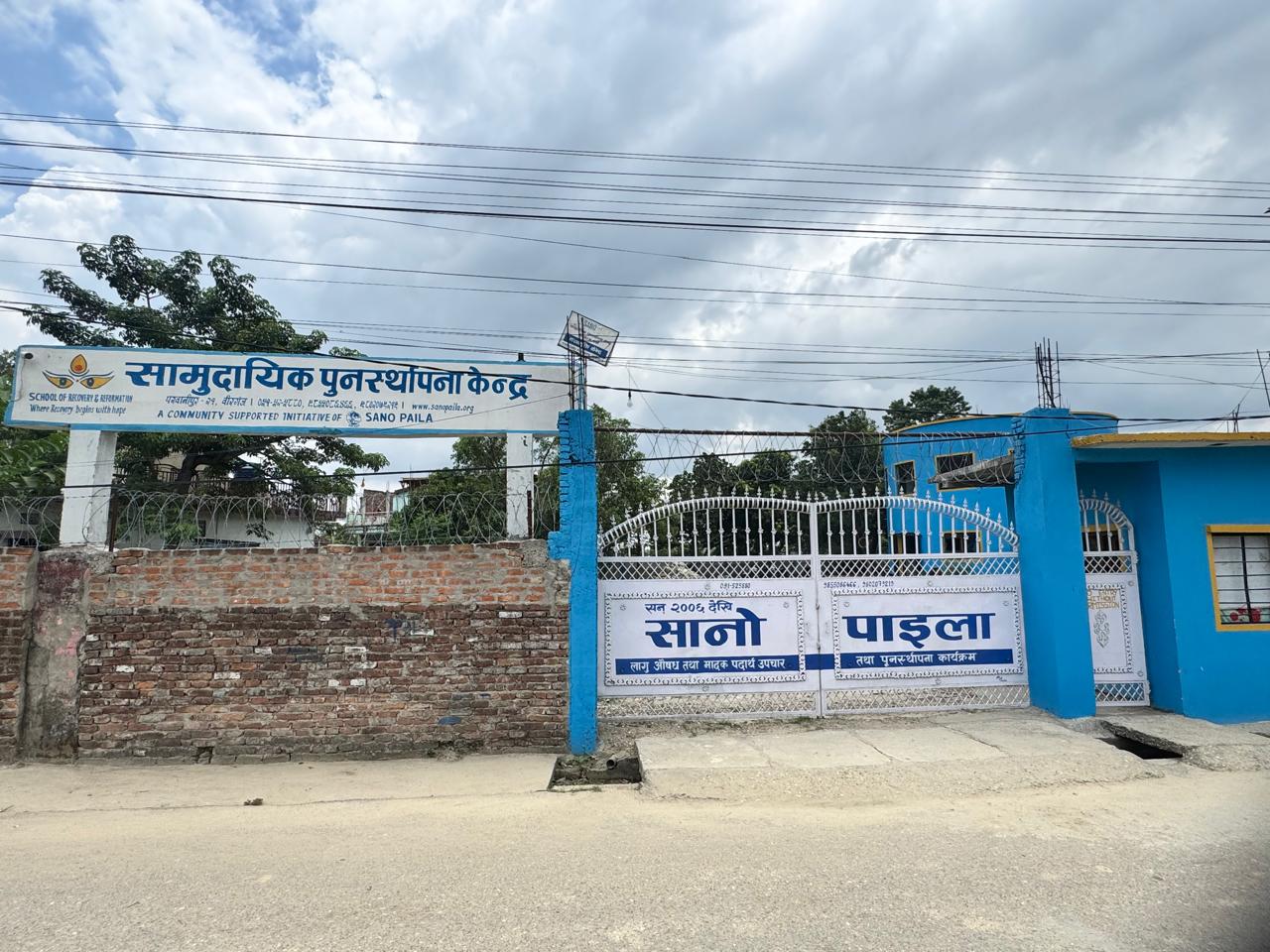
Through its residential treatment and rehabilitation center, the School of Recovery and Restoration ® (SRR), Sano Paila provides comprehensive care, treatment, rehabilitation, counseling, and support services to individuals affected by substance abuse and mental health concerns, including the promotion of crime prevention behaviors among at-risk youth. The SRR, a pioneering community-based rehabilitation center in Nepal, is run by former drug users and formerly incarcerated individuals. With a success rate of approximately 70 percent, the SRR has successfully supported the recovery and reintegration of over 3,500 individuals with a history of substance abuse, criminal behavior, and drug-related mental health issues. The SRR is committed to providing inclusive care and ensuring compliance with guidelines issued by the Ministry of Home Affairs, Government of Nepal.
BOX Clicks
| Get Help | Take a Self Test | Refer Student (Patient) |
The Guiding Light of the School of Recovery & Restoration
Core Philosophy: "Appo Deepo Bhava" – Be Your Own Light
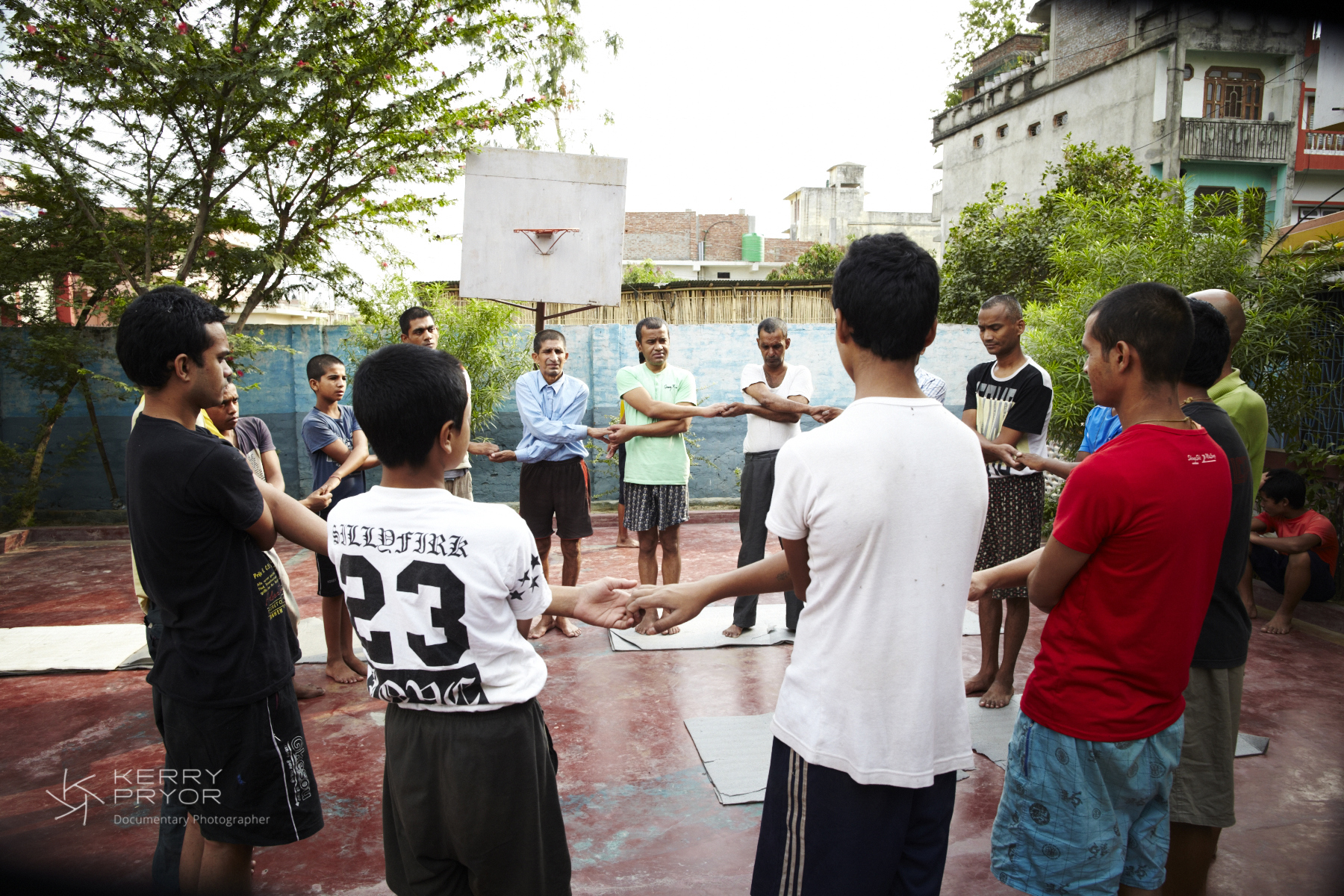
At the heart of the School of Recovery & Transformation (SRR) lies a profound philosophy rooted in the power of natural healing and individual agency. We encourage individuals affected by substance abuse to embark on a journey of self-discovery and recovery, ultimately becoming their own guiding role model in life. Inspired by the final wisdom of Gautama Buddha, "Appo Deepo Bhava" – meaning "Be your own light" – the SRR transcends the conventional treatment paradigm for substance abuse.
Sano Paila envisions the SRR not merely as a rehabilitation facility, but as a transformative school that empowers individuals to gain knowledge and skills needed to manage their substance abuse and illuminate their own path towards recovery and lasting sobriety. The SRR provides an environment where individuals are encouraged to cultivate their inner strength and become their own source of light, thereby reducing the stigma associated with treatment centers and framing it as a place of learning and growth.
A Holistic and Innovative Approach to Recovery
Building upon evidence-based substance abuse treatment and rehabilitation methodologies, the SRR integrates cutting-edge and holistic techniques to ignite each individual's intrinsic motivation for recovery. Our unique approach combines therapeutic interventions with practices that nurture the mind, body, and spirit. For detoxification, we prioritize natural healing processes, abstaining from the use of opiates or other substitute medications. Furthermore, the program incorporates the wisdom of the Twelve Steps principles and embraces the core tenets of Narcotics Anonymous. Recognizing the profound benefits of mindful movement and inner peace, the philosophy of yoga is also deeply instilled within the SRR program, offering a powerful tool for self-regulation and healing.
The SRR's unique approach to care emphasizes a holistic model, integrating clinical, medical, spiritual, and vocational programs. It reinforces the concept of a learning process, a school, focused on both overcoming substance abuse and returning to a healthy, functional life. This approach to recovery addresses not only the substance abuse itself but also the comprehensive rebuilding of the individual's life.
The SRR offers a comprehensive, innovative, and affordable residential treatment and rehabilitation program for individuals struggling with substance abuse and related mental health concerns. We assist them in adhering to the treatment regimen by guiding each resident through a thorough diagnosis, individualized substance abuse treatment, and aftercare plan.
School of Recovery & Restoration’s (SRR) Phases of Recovery
Guided by a holistic approach, the SRR is dedicated to treating the whole person: mind, body, and spirit. Our four-phase recovery and restoration program is meticulously designed to equip students (patients) with the tools and support necessary for achieving lasting long-term recovery. This structured journey guides individuals from the initial critical stage of detoxification through the empowering completion of an internship within SRR and valuable vocational training opportunities.
At the very heart of SRR lies the profound commitment to the complete recovery of each student (patient). This is achieved through the dedicated restoration of their physical health, emotional well-being, and spiritual life, alongside providing tangible opportunities to rebuild lives characterized by dignity and prosperity.
Every student (patient) embarks on this transformative path with our foundational Phase 1 program, and progresses through subsequent phases at a pace tailored to their individual needs and growth.
Venn Diagram (Recovery & Restoration – Physical Health, Emotional Wellbeing, Spiritual Life, Opportunities & Challenges)
Phase 1: Detoxification & Stabilization – Laying the Groundwork for Recovery
In this crucial initial phase, the primary focus is on the safe and effective elimination of substances from the individual’s system. At the same time, the student (patient) is guided to develop a clear understanding of how addiction and abuse have affected the mind body and spirit. A key part of this phase is the joint development of a personalized recovery plan that outlines a clear path forward. This foundational stage includes:
- Comprehensive admission medical legal and family assessments to develop a complete understanding of the individual’s situation
- Medically supervised detoxification to ensure a safe and comfortable withdrawal process
- Intensive one on one and group counseling sessions to address the root causes of addiction
- Twenty four seven access to experienced counselor and specialist support for immediate needs and guidance
- Collaborative development of a personalized treatment plan tailored to individual needs and goals
- Engagement with supportive peer networks through AA Alcoholics Anonymous NA Narcotics Anonymous and Celebrate Recovery meetings
Phase 2: Recovery Restoration & Life Skills – Building a Foundation for Sustainable Sobriety
Phase 2 marks a major shift into the active practice of recovery with a strong focus on peer support and practical skill building to support reintegration into work or educational settings. This phase continues the restoration of the mind body and spirit while encouraging self discovery and personal growth. Phase 2 includes:
- Intensive inpatient care within a structured and supportive healing environment
- Behavior change communication classes and activities to build healthy coping skills
- Therapeutic physical activities and group work to support physical wellbeing and teamwork
- Yoga and exploration of spiritual life options to encourage balance and inner peace
- Role model sessions led by individuals with lived recovery experience
- Family and fellowship counseling sessions to rebuild trust and strengthen relationships
- Continued intensive one on one and group counseling to address ongoing challenges
- Continued participation in peer support networks through AA NA and Celebrate Recovery meetings
Phase 3: Taking Action – Reintegrating and Contributing
Phase 3 focuses on supporting individuals as they move toward independence reintegration and purposeful community engagement. This stage includes:
- Intensive outpatient care offering continued guidance with increased independence
- A structured day care program supporting therapy skill development and accountability
- Educational programming and job counseling to prepare for employment or continued education
- Arts and music therapy to support emotional expression and healing
- Orientation to essential life skills for independent and productive living
- Opportunities to give back to the community and develop responsibility and purpose
- Individualized case management to coordinate care and access to resources
- Ongoing family and fellowship counseling to reinforce support systems
- Continued engagement with peer support networks
- Continued participation in AA NA and Celebrate Recovery meetings
Phase 4: Job Skills & Education – Empowering Independence and Future Success
Before graduating from the School of Recovery & Restoration, this crucial final phase of treatment and recovery is focused on equipping students (patients) with practical life skills and essential soft skills necessary for long-term success. Through active participation in SRR’s comprehensive internship program, individuals gain valuable real-world experience, preparing them for meaningful careers both within and outside the SRR network. This phase also provides opportunities for students to engage in tailored educational programs as referred by Sano Paila, furthering personal and professional development.
Furthermore, students are strongly encouraged to participate in the diverse skill training programs offered at the in-built Don Gragg Vocational and IT Training Center located at the SRR. This resource allows students to explore their interests and acquire marketable skills that can be applied for future job placements, providing economic independence and long-term stability.
Phase 4 encompasses:
- Development of essential life skills and crucial soft skills for personal and professional success
- Meaningful internships at the SRR center Sano Paila offices and other relevant projects, providing practical experience
- Access to required educational programming tailored to individual needs and goals
- Comprehensive vocational and IT training to develop marketable skills
- A dedicated employment placement program to facilitate successful entry into the workforce
- Continued individual counseling and supportive family sessions to address ongoing needs
- Thorough follow-up and monitoring to ensure sustained recovery and well-being
- Continued engagement with vital peer support networks through AA NA and Celebrate Recovery meetings
Let's connect you with the right support. Click here for more information: - takes you to the Taking the First Step page
2. “Sunuwai” ® meaning "listening" or "hearing" in Nepali, is a dedicated counseling, psychosocial support center, and vital outreach initiative operating under Sano Paila's Action Against Addiction and Crime (AAC) program. Recognizing the unique challenges faced by adolescents and young adults, particularly those at risk, Sunuwai provides a range of accessible and youth-friendly services.
Our core services include:
A. Individual Counseling
Offering confidential one-on-one sessions with certified counselors to address a wide array of mental health concerns, substance use issues, and behavioral challenges. These sessions are tailored to the specific needs of each young person, fostering self-awareness and promoting positive behavioral change.
B. Psychosocial Support
Providing comprehensive support to enhance emotional well-being, coping mechanisms, and resilience. This includes psychoeducation, stress management techniques, and guidance in navigating social and emotional difficulties.
C. Community-Based Outreach
Actively engaging with adolescents and young adults within their communities, reaching those who may not readily access center-based services. This includes awareness campaigns, educational workshops, and early intervention initiatives.
D. Peer Education and Role Modeling
Empowering recovered youth to serve as inspiring peer educators and positive role models. By sharing their lived experiences, they offer hope, guidance, and practical insights to others on their journey toward recovery and social reintegration.
E. Mental Health Support for Teens and Young Adults
Specifically addressing the mental health concerns and mood-related challenges commonly experienced by this age group. Our certified counselors and trained peer educators provide empathetic guidance and support for issues such as anxiety, depression, stress, and emotional regulation.
F. Group and Family Counseling
Facilitating supportive group sessions where young people can connect with peers facing similar challenges, building a sense of community and shared understanding. We also provide family counseling to improve communication, strengthen relationships, and create a supportive home environment crucial for long-term well-being.
By cultivating a safe and non-judgmental space, Sunuwai aims to empower adolescents and young adults to overcome their challenges, build brighter futures, and actively participate in their communities.
Empowering Communities Through Prevention
The Action Against Addiction and Crime (AAC) program recognizes that preventing drug abuse and crime among youth requires a comprehensive community-wide approach. Therefore, a significant component of the program focuses on engaging parents and other key influencers to promote healthy behaviors and create supportive environments that safeguard young people.
3. Key Prevention Awareness Campaigns and Activities of AAC:
A. Building Partnerships for Prevention and Control
The AAC program actively cultivates strong partnerships with schools, parents, teachers, doctors, media outlets, and community residents to establish a collaborative network for drug abuse prevention and control. Hundreds of activities, including workshops, interactive sessions, and collaborative initiatives, have been conducted under this theme across various districts of Madhesh province, making it a cornerstone of the AAC's ongoing efforts.
B. Drug Awareness and Crime Prevention Week (DACPW): A Signature Annual Campaign
Since 2010, AAC and its community partners have spearheaded the annual Drug Awareness and Crime Prevention Week (DACPW), a significant awareness campaign held from June 26th to July 2nd to commemorate the International Day against Drug Abuse and Illicit Trafficking. This week-long initiative features a series of impactful events and activities designed to:
- Raise public awareness about the serious risks associated with drug abuse, including its links to crime
- Disseminate crucial information emphasizing that addiction is a treatable disease and recovery is possible
- Recognize and celebrate the dedication of individuals working tirelessly within the sector to mitigate drug and crime-related harm
- Encourage active community involvement, conveying the powerful message that collective action can make a tangible difference in the fight against drugs and crime
The diverse events held under the DACPW campaign include:
- June 26: International Day Commemoration – Awareness rallies and various events marking the International Day against Drug Abuse and Illicit Trafficking
- June 27: "Sports Against Drugs and Crime" Day – Engaging sporting events that promote positive interaction between youth, police personnel, community influencers, leaders, former drug users, and other stakeholders
- June 28: Information Day – Utilizing street plays, informative stalls, and outreach services to connect with at-risk youth both within the community and in correctional facilities
- June 29: Recovery Day and Candle Light Memorial Evening – Encouraging individuals struggling with addiction to seek rehabilitation programs, followed by a poignant candle light memorial evening to honor those who have lost their lives due to drugs and crime
- June 30: Partnership Building with Educational Institutions and Parents – Initiatives focused on establishing Anti-Drug and Crime clubs within schools and colleges, and engaging parents in prevention efforts
- July 1: Interactive Forums – Workshops, interaction programs, and round table discussions involving former drug users, ex-convicts, their families, government officials, and community leaders to build understanding and collaboration
- July 2: "Get High on Music Not on Drugs" – Engaging musical concerts and dance events designed to raise awareness about the dangers of drug abuse and crime through a positive and relatable medium
C. Annual Public Health Awareness Activities
Sano Paila actively participates in and organizes annual commemorations of World AIDS Day, World Condom Day, and other public health awareness activities, recognizing the interconnectedness of various health and social issues within the community.
D. Campaign Against Drug Cultivation
In 2010, as part of Sano Paila’s focused and sustained efforts against drug abuse, the AAC program launched a community-based campaign to advocate against the illicit cultivation of opium and cannabis in the Parsa district of Nepal. This initiative was a collaborative partnership involving the Nepal Police, the district administration, the Armed Police Force, and the broader civil society.
In 2009, media and police reports (Nepali Times report) estimated that Parsa District alone had 60 percent of its agricultural land under drug cultivation, and the region was experiencing a surge in narco-trade and crime. From 2010 to 2012, our efforts focused on reclaiming the district as a drug cultivation-free zone by partnering with all sectors of the community and by directly addressing the problem through uprooting crops and exploring alternative cash crops for farmers who were growing drug crops.
Over the course of the two-year campaign, whole-community interaction programs, involving police and district officials, media and community leaders, and Sano Paila members, were organized to directly engage with farmers, appealing to them to cease drug cultivation. Over 50,000 farmers and their families were reached in Parsa district, which was a major center for drug cultivation and production. They were informed about the adverse effects of drug crops on the community, and attempts were made to convince them to stop cultivating these crops.
Sano Paila’s role models (recovered drug users) shared their personal experiences and stories about their descent into addiction and how it had ruined their lives. During these interactive sessions, community leaders, police authorities, government officials, media representatives, and Sano Paila members discussed alternatives to drug farming and addressed drug issues, highlighting how youth from villages who migrate to cities for education and jobs are more vulnerable to drug addiction and how farmers, directly or indirectly, were often supplying the drugs.
Authorities informed the community about the existing laws against drug cultivation and publicly expressed their commitment to effectively implement these laws and prosecute farmers growing narcotics. The police authorities vowed to monitor their officers and guaranteed that protection money would not be solicited and bribery would not be tolerated.
The results of this campaign were remarkable, with drug farming reaching an all-time low. According to media and police reports in 2013, there was a 90 percent reduction in land area under illicit crops in a region that was once the country's largest hub for drug cultivation. The majority of farmers stopped using their land to grow narcotics, significantly curtailed drug cultivation, and switched to alternative crops. This also helped reduce crime and corruption related to the narco-economy and trade. In 2013, the Ministry of Home Affairs of the Government of Nepal adopted the model of this campaign for implementation in other sectors and districts.
This was one of the first campaigns of its kind in the country, and the youth of Sano Paila involved at that time accomplished what the police and administration had been hesitant to do. The police had been unwilling to risk this encounter alone, and the central government had largely ignored the issue until 2010.
Taking the First Step
Ready to begin your journey towards recovery and well-being? Simply call us at [Insert Phone Number Here]. One of our experienced admissions coordinators and outreach counselors will guide you through the assessment and admissions process.
We understand that deep down, there’s still a part of you that knows a life free from drugs is possible. Change is within reach. Let us help you find your way.
Let's connect you with the right support. Click below for more information:
- I'm struggling to cope – Support for Mental Well-being
- My substance use is a concern – Support for Treatment
- My teen is facing challenges – Support for Teens and Young Adults
- I'm unsure where to start – Guidance to Get Started